Burnout Isn’t a Personal Failure—It’s a Nervous System Signal
Burnout Isn’t a Personal Failure—It’s a Nervous System Signal
Burnout doesn’t usually arrive all at once. It creeps in quietly.
First it looks like being “just tired.”
Then it becomes irritability, brain fog, and that constant low-grade dread on Sunday nights.
Then one day, even the things you used to care about feel heavy, distant, or oddly meaningless.
And because we live in a culture that celebrates overfunctioning, most people don’t recognize burnout as a warning sign. They treat it like a character flaw. I should be able to handle this. Other people do. Why can’t I?
But burnout isn’t a personal failure. It’s a nervous system signal.
It’s your body and mind saying: This pace, this pressure, this level of output without enough restoration is not sustainable.
What Burnout Actually Is (and Isn’t)
Burnout isn’t just being busy. It’s not solved by a single day off or a weekend of sleep.
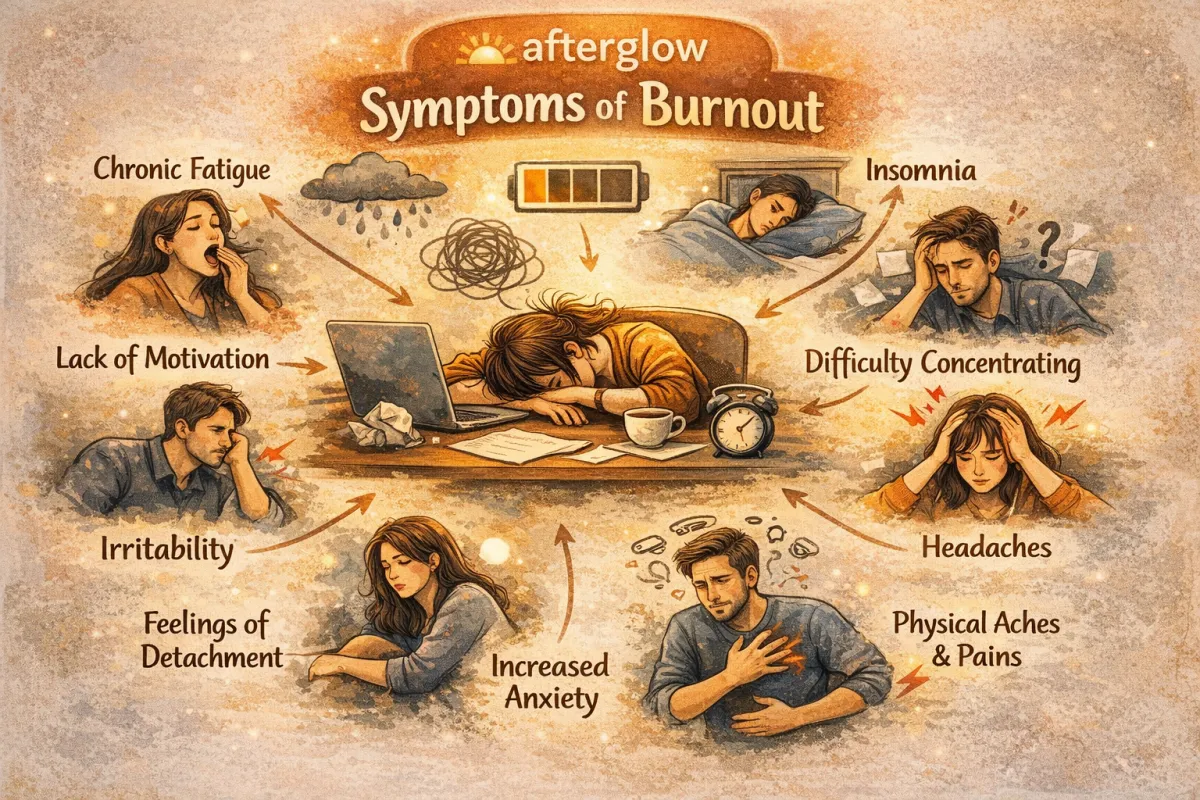
Burnout is a state of chronic stress and nervous system overload that shows up as:
Emotional exhaustion and numbness
Brain fog, forgetfulness, or decision fatigue
Increased irritability or withdrawal
Loss of motivation or sense of meaning
Feeling “on edge” or shut down at the same time
Physical symptoms like headaches, tension, GI issues, or poor sleep
It’s what happens when your system has been in survival mode for too long without enough safety, rest, or support to come back into balance.
And here’s the part most people miss:
Burnout often happens to the most capable, caring, responsible people. The ones who hold it all together. The ones who keep going even when it costs them.
Why Rest Alone Doesn’t Fix Burnout
If burnout were just about being tired, a vacation would solve it.
But burnout lives deeper—in your nervous system, your boundaries, your patterns of overgiving, and the stories you tell yourself about your worth and responsibility.
You can take time off and still come back to the same:
Overloaded schedule
Lack of support
People-pleasing patterns
Perfectionism or over-responsibility
Disconnection from your own needs
That’s why real recovery isn’t just about rest. It’s about recalibrating how you live, work, relate, and care for yourself.
The Path Out of Burnout Is Gentle (and Honest)
Healing burnout doesn’t start with pushing harder. It starts with listening.
It starts with questions like:
Where am I chronically overextended?
What am I carrying that isn’t actually mine to carry?
Where have I been ignoring my own limits or needs?
What would it look like to build a life that supports my nervous system, not just my productivity?
This is where boundaries come in. This is where self-compassion comes in. This is where nervous system care becomes non-negotiable—not as a luxury, but as a foundation.
At Afterglow, we don’t treat burnout as something to “power through.” We treat it as an invitation to return to yourself—to rebuild your life in a way that’s more sustainable, more aligned, and more humane.
What Real Burnout Recovery Looks Like
Burnout recovery is not about becoming less ambitious or less capable. It’s about becoming more resourced, regulated, and rooted in your own well-being.
It looks like:
Learning how to downshift your nervous system, not just your schedule
Rebuilding boundaries that protect your energy
Reconnecting with your body’s signals instead of overriding them
Letting go of survival-mode productivity
Creating a version of success that doesn’t cost you your health, joy, or relationships
Most of all, it looks like remembering that you are not here to be used up. You are here to live.
A Gentle Invitation
If you’re burned out, you’re not broken. You’re responding normally to too much for too long.
And you don’t have to heal that alone.
Whether you’re just starting to notice the signs or you’re already deep in exhaustion, know this: there is a way back to yourself that doesn’t require force, shame, or more pushing.
There is another way—and it starts with listening.
At Afterglow, we call this returning to self-love. Not as a concept. As a practice. As a way of living that actually works.
And you’re allowed to begin again—right here.